Get in touch
15-17 Green Lane, Small Heath,
Birmingham, United Kingdom, B9 5BU
Email: [email protected]
Phone: 0121 772 0858
Job Enquiries: 079680 76771 (Richard)

If you’re planning a demolition project, there are key rules to follow. Even if you own the land, demolitions have an environmental and social impact, with legal implications. As demolition contractors, we are experts in what to do (and what not to do) in a demolition or site clearance project.
Consider this a checklist of requirements and recommendations from Birmingham’s foremost demolition contractor.
Experienced and licensed demolition professionals understand safety protocols, and legal requirements, and have the necessary expertise. Demolition is not a DIY-friendly exercise. Legally speaking: “Clients must appoint duty-holders who have the relevant skills, knowledge and experience”, according to the Health and Safety Executive.
Thoroughly assess the site before starting demolition to understand the site condition. This will help in planning and executing the demolition process safely.
According to HSE, it is the role of the clients, the landowner, to provide designers and contractors with pre-construction information.
This can be collated with the help of the principal designer and must include all information that can reasonably be obtained.
You will need to carry out a range of surveys and reports, including:
Complete and communicate the full assessment before work begins. It should not be left for the principal contractor to organise once the demolition work has started.
Compliance with local regulations is crucial to avoid legal issues and ensure a smooth process.
Planning permission for demolition may be required in some cases. To be brief, the factors that inform demolition planning permission or prior approval requirements include:
You can get advice on whether you need planning permission from your local planning authority or on the government website.
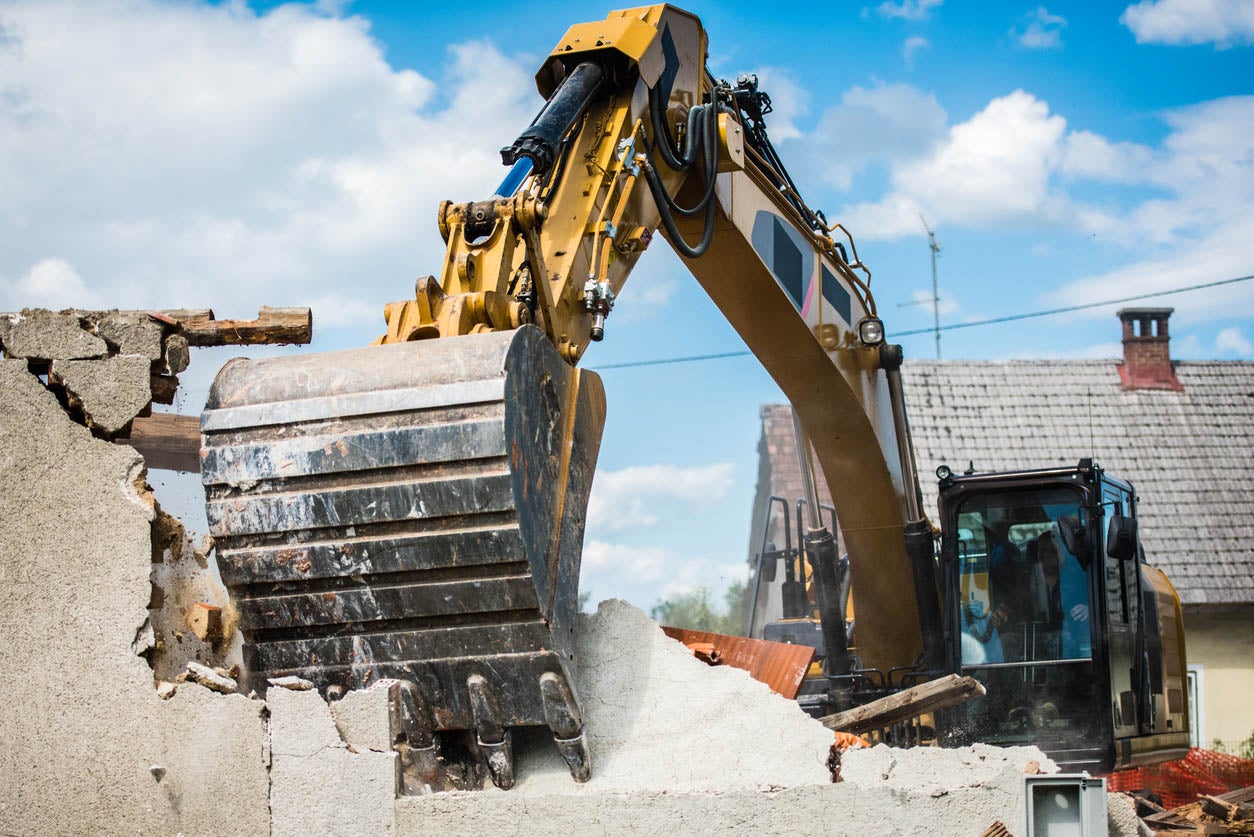
Demolition sites are hazardous environments, so it’s crucial to have safety protocols in place. In preventing accidents, prioritise safety for workers and the public over speed of work.
According to HSE, principal designers are responsible for planning, managing, monitoring and coordinating health and safety measures in both the pre-construction phase (i.e. before demolition starts) and during the demolition work.
They must give principal demolition contractors as much information as possible to allow the principal contractor to keep people (site workers and the public) as far as possible from the risks.
Site managers must ensure workers are supervised and are following safe working practices.
Sub-contractors and site workers must follow the instructions and plans given to them by those in charge of the work, as well as ensure that their colleagues do too. Take a whole team approach to ensure site safety.
It’s important to inform the neighbouring property owners and tenants of the works before they start.
This should be done in writing and promptly to prevent misunderstandings and to address concerns. Informing the community will also help keep the public as far as possible from risks.
Clients can appoint an experienced community liaison officer to organise communications or ensure that information is adequately shared through leafleting, posters and doorstep conversations.
Avoid the mistakes that others have learnt from. There are serious risks associated with demolition and important legal regulations that must be followed to have a successful development.
Safety is a priority in demolition to prevent accidents and protect lives, so don’t cut corners on safety protocols.
Your principal contractor should take safety seriously, and following safety procedures is a part of their contract. Familiarise yourself with the key issues of demolition safety so that you can call out any breaches. Site workers should all be trained in site safety, including:
Falls from height: how scaffolding and railings should always be used
Injury from falling materials: hard hat protocols, covered walkways and exclusion zones protect workers from flying debris.
Uncontrolled collapse: the demolition method statement should highlight the sequence of demolition that will prevent accidental collapses.
Risks from connected services: gas, water, electricity and telecoms must be disconnected prior to the start of work. If this isn’t possible, ensure live pipes and cables are clearly labelled.
Traffic management: demolition involves many vehicles and heavy machinery. Managing traffic and using zero-tail swing machines avoids accidents.
Hazardous materials: including dust, asbestos, RCS – for more detail see below.
Noise and vibration: frequent exposure to high volumes and vibration can cause injury to workers. It also impacts the ability of workers to communicate or hear warning signals. Because of this, measures should be taken such as ear defenders or avoiding using vibrating hand tools.
Fire safety: where any tools that generate a spark, flame or heat, fire is a risk. Keep fire plans up to date as escape routes and muster points alter. Fire alarm plans must be effective.
Worker involvement: when all employees understand and share responsibility for safety, the whole site is safer. Encourage a team approach.
Neglecting regulatory requirements can result in fines, delays, and legal issues. Performing a demolition that would have required prior approval from the LSA without this permission can lead to challenges from the community, fines and damage to the company’s reputation. Regulations are there for a reason, and it is important to take them seriously.
Asbestos and other hazardous materials are extremely dangerous. Improper handling or work in areas where asbestos is present can lead to serious health risks, not to mention legal consequences.
Hazardous materials include:
Old hospital buildings or medical centres may also have microbiological hazards. Remove and dispose of asbestos properly, as well as other materials, to ensure your project is not delayed and to keep all involved safe.
Disposing of debris properly is essential for environmental responsibility. Whether the waste is hazardous or not, construction waste management is heavily regulated under the Environmental Protection Act. Regulations also stipulate requirements for record-keeping, waste segregation and storage.
Waste is defined as anything that will be discarded or recycled. In demolition, this includes debris, structural metals, glass, wood, and more. To ensure compliance, the best practice is to draft a site waste management plan (SWMP). This gives the client confidence and helps ensure consistency.
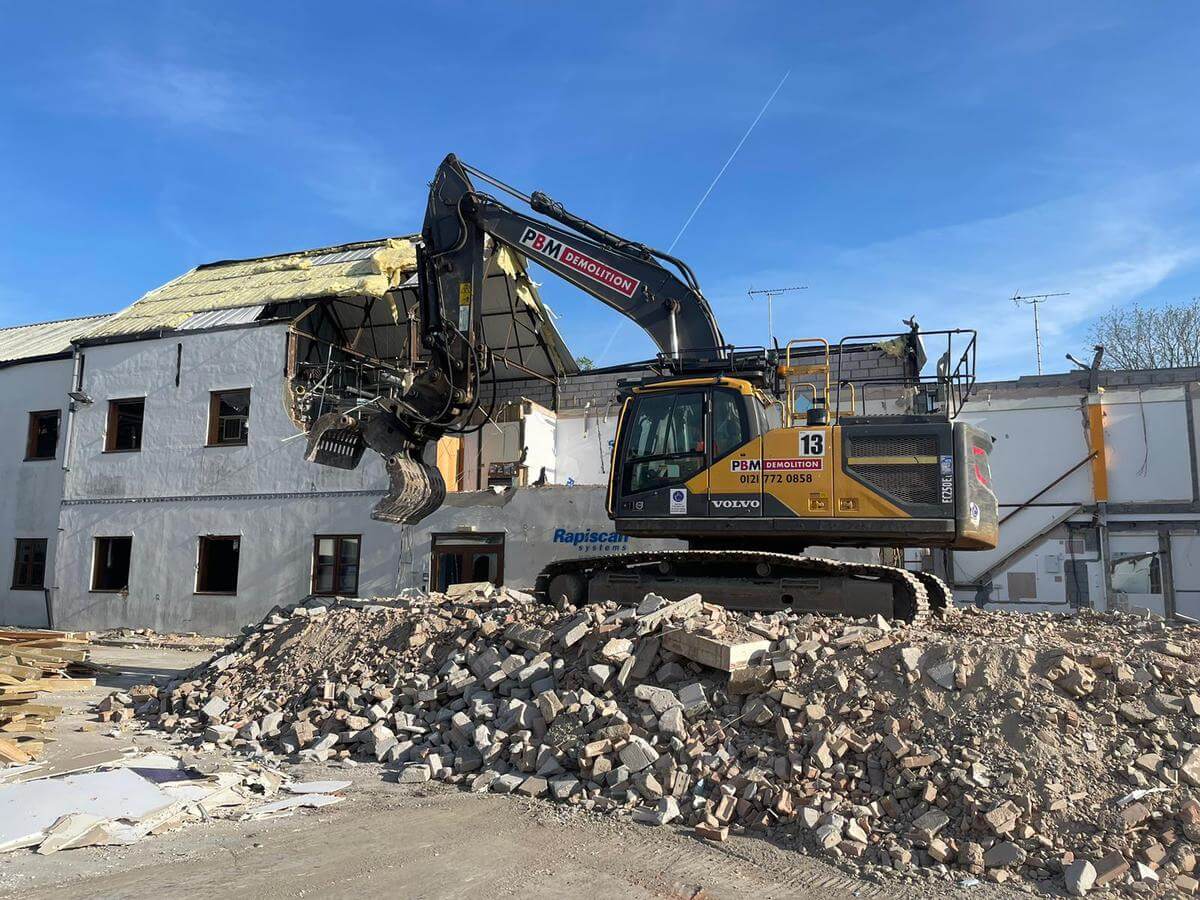
While each demolition project is unique, the regulations apply to all. It is important to be sure of the law around demolitions. At PBM Contractors, our experience and expertise in managing demolition work speaks for itself. We are well aware of current regulations and well-practised in setting up plans for compliance and safety.
As people become more and more informed about the impact of material use on the environment, many are assessing how their building and demolition projects can be as green as possible. Building companies are looking for informative procurement to ensure the architecture built today is not contributing to problems for tomorrow. From sustainable design to retrofit, there are many ways to make construction greener. For sustainable architecture, recycled building materials can be reclaimed from demolition.
In the UK, 420 million tonnes of materials are used in the construction industry each year. Producing building materials such as concrete, brick, glass and timber creates a lot of greenhouse gas (GHG) emissions. These include the gasses such as carbon dioxide, methane, nitrous oxide and fluorinated gases. Cement production alone creates approximately 7% of global CO2 emissions, so it is clear that construction is a large contributor to the increasing CO2 concentrations in the atmosphere. In fact, construction and building work account for 19% of the UK’s total greenhouse gas emissions, second only to the food industry. After demolition, construction materials account for 32% of all UK landfill content, so there are plenty of reasons to think again about material recycling.
When designing more sustainable construction practices, industry leaders are paying attention to “embodied carbon”: the total CO2 emissions generated during the extraction of raw materials, material manufacturing, transportation, installation, maintenance and eventual demolition of a particular building or development.
Embodied carbon is a phrase that distinguishes these emissions from the ‘operational carbon’ released during the running of the building from energy use, for example. Paying attention to embodied carbon makes it easier to visualise the scale of a building’s carbon emissions beyond energy use.
Reclaiming and recycling building materials is a means of breaking the cycle of extraction and waste. Rather than buying brand-new materials and accepting the CO2 involved in their manufacture, using reclaimed or recycled materials can be a more sustainable procurement strategy. Recycled building materials share the embodied carbon of a demolished building with a new structure, so the material impact of both buildings is less.
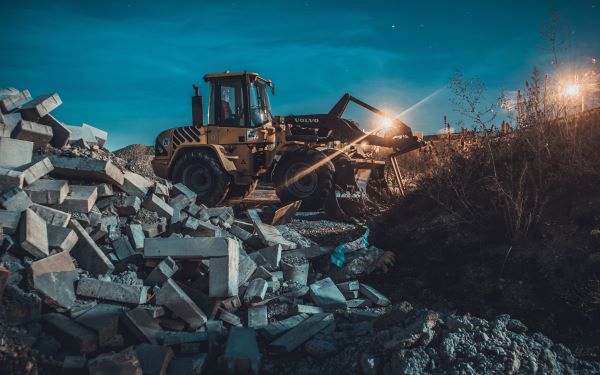
At present there isn’t much legislation around recycling targets for demolition, but many companies like ours have stated targets to reach 90% recycling rates. There is a difference between recycled and reclaimed materials, which we will go into here, but whichever way materials go, avoiding landfill wherever possible is key.
Any materials taken from waste and have gone through manufacturing processes to create new or parts of new products are considered recycled. These manufacturing processes of course have their own emissions footprint, but at a fraction of the emissions from producing new materials from scratch. Types of building materials that can be recycled include:
While recycling often requires some degree of industrial processing, reclaimed building materials can be reused in or close to original condition. Reclaimed material is any material that was previously part of another structure, whether it was a building, a temporary work or even a railway line. If the materials from demolition are to be reclaimed, the contractors may start with soft stripping or structural dismantling to keep parts in good condition before using heavy demolition tools.
Reclaimed materials may be adapted and cut to size, repainted or refinished, cleaned or repaired, but they are basically re-used in their original form. Reclaimed materials can include:
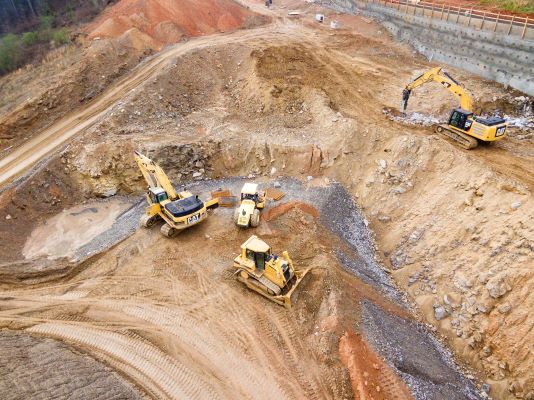
When considering green construction, the recycled building materials available are not limited to those that can be salvaged. There are many examples of recycling other materials into building supplies, such as:
While we’d love to say every demolition can be zero waste, there are exceptions when materials need to go to a landfill. Any material with chemical contamination or asbestos, for example, is required to be disposed of safely.
Timber infested with woodworm or rot cannot be reused in construction, as it wouldn’t last. However, even contaminated timber can be used for biofuel or chipped for compost, so it isn’t a total loss.
General rubbish or low-quality material may not be recycled, as the new materials need to be strong and high enough quality to be used for construction.
While reclaiming and recycling building materials can add time to a project, the benefits are many, and these will show in businesses’ ESG reporting. The project will have a lower carbon footprint, create and support jobs in the reclamation and recycling industry and support a circular economy in construction by contributing to the pool of recycled building materials available. New constructions could reduce emissions from material transport and reuse the same materials on site, such as crushing concrete from a former structure to make hardcore for pathways and parking.
The UK construction industry generates a lot of waste material, with 61% of all UK waste in 2018 generated by the construction sector. With material recycling systems in place, this waste can be repurposed within the industry, often on the same site to create new substrates.
Exactly what it says on the tin; construction material recycling or construction waste recycling is when excess or waste materials are processed so that as much as possible can be reused. This may be through salvage, crushing or chemical processing to create new materials.
Construction waste can include:
Only some of these materials are recyclable, but all must be disposed of responsibly.
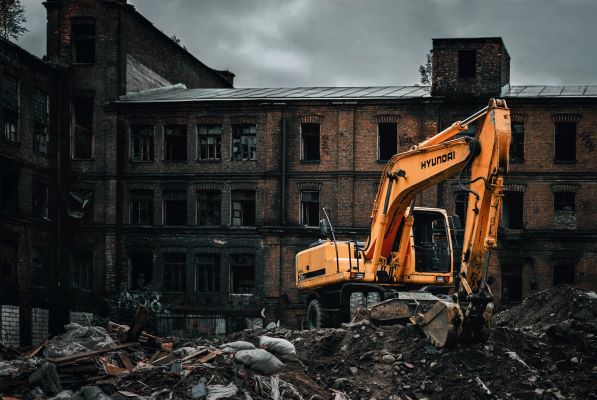
We aim to manage construction and demolition waste properly for a variety of reasons, including:
There are legal requirements around what happens to construction and demolition waste of all kinds. Understanding where recycling is possible and where safe disposal is necessary can help ensure your business is in line with current legislation.
Segregating and handling waste correctly reduces risks of harm to employees, stakeholders and the public. Potentially hazardous materials that are disposed of incorrectly, such as asbestos could cause lifelong health issues or injury, as well as environmental damage. If materials are not segregated properly, contamination during the recycling process could make some materials unusable for safety concerns.
Since demolition itself has an environmental impact, the carbon footprint of a new build can be dramatically reduced by reusing materials from previous demolitions. Rather than shipping new aggregate, using recycled crushed concrete or mortar saves money and emissions and contributes to a circular economy. Businesses can demonstrate the steps taken to reduce the environmental impact of their building projects in ESG reporting, improving their reputation and client relationships.
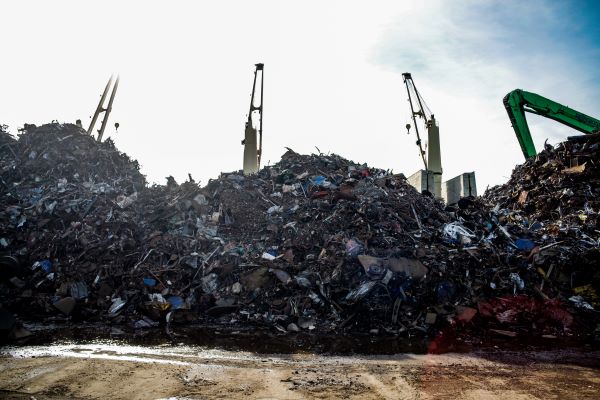
The main demolition waste materials that are easily recycled are concrete, brick, metal, glass and wood. Some common ways these materials are reused include:
Metal and glass can be entirely recycled to provide new materials for future use. This type of recycling must be done in specialist facilities that can manage large volumes of material generated by demolition or dismantling.
Concrete, brick and masonry are easily recycled onsite. With heavy-duty crushing equipment, we can repurpose hardcore debris into aggregates, gravel and substrates for roads, car parks, and pathways. On a large project, we can crush demolition waste to recycle it for the new construction works, saving material transport and the carbon footprint of the project.
Demolition waste recycling can:
Reusing materials in commercial demolition is often reserved for large-scale projects and those where landowners plan to build new structures immediately, rather than sell the levelled ground. However, demolition waste from multiple smaller sites may be segregated, combined and stored for future use, or sold wholesale as a sustainable alternative to new materials.
Ensure you speak with your demolition contractors about how construction waste recycling can work on your project At PBM we offer concrete and hardcore crushing among our services and are happy to discuss requirements.